Homeownership comes with a host of responsibilities, and one crucial component that often goes overlooked is the chimney. In Cleveland, where winter can be harsh and the need for efficient heating becomes paramount, ensuring your chimney is in optimal Best Chimney Repair Cleveland Ohio condition is vital. Home inspectors play a pivotal role in this process, evaluating chimneys to prevent potential hazards and costly repairs down the line.
Chimneys serve not only as an exhaust system for smoke but also as a critical part of your home's structure. They endure exposure to changing weather conditions, which can lead to deterioration over time. This article delves into what home inspectors focus on during a chimney evaluation, offering insights that could save homeowners significant hassle and expense.
The Importance of Regular Chimney Inspections
Regular chimney inspections are essential for maintaining safety and efficiency in any home. A comprehensive evaluation identifies issues that may not be visible to the untrained eye. For instance, creosote buildup can pose a fire hazard if left unchecked. Moreover, homeowners may experience reduced heating efficiency due to blockages or structural damage, leading to higher energy costs.
In Cleveland's climate, where snow and ice can accumulate on roofs and chimneys, moisture intrusion becomes another concern. Water can compromise the integrity of masonry materials, leading to cracks and other forms of damage. By addressing these issues through regular inspections, homeowners can avoid more expensive repairs later on.
Key Areas Home Inspectors Examine
When it comes time for a chimney evaluation, inspectors examine several key areas to ensure everything is functioning properly. These areas include:
Structural Integrity
Inspectors assess the overall structure of the chimney. Any signs of leaning or shifting indicate potential problems that require immediate attention. In some cases, settling ground or poor construction can lead to structural failure.
Masonry Condition
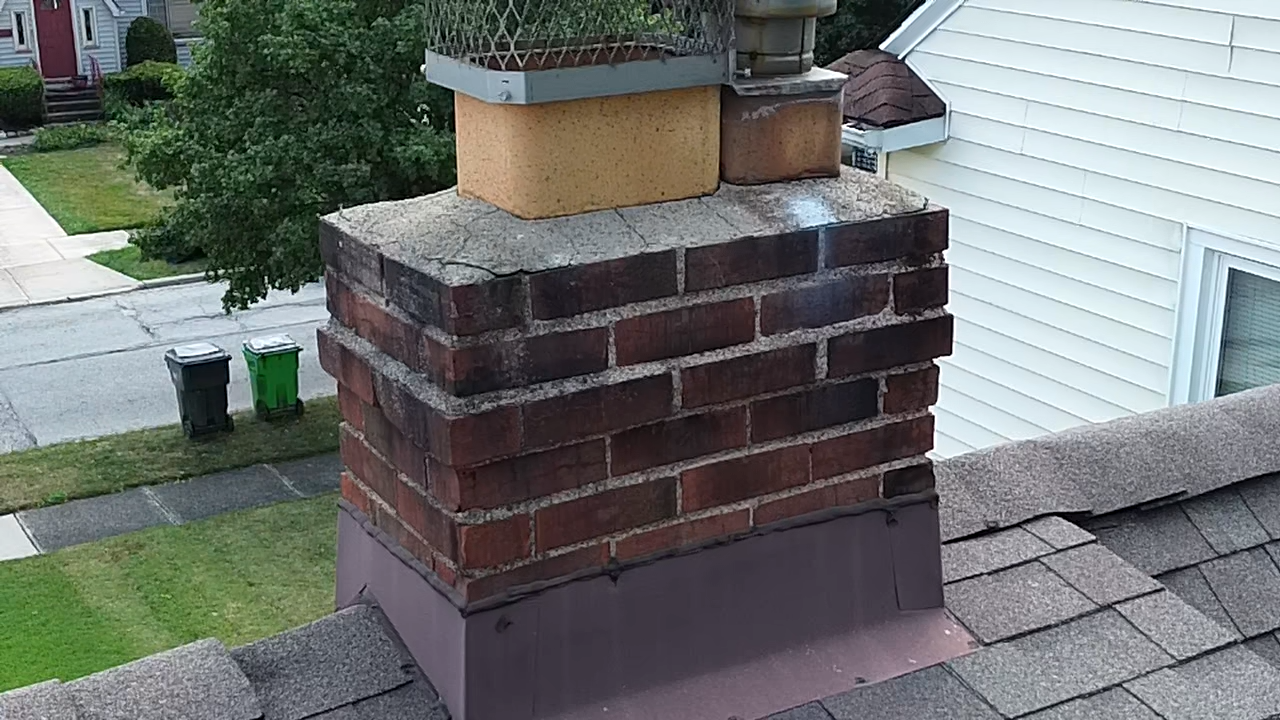
The condition of bricks and mortar joints is critical. Inspectors look for cracks, spalling, or crumbling bricks that suggest water infiltration or freeze-thaw cycles have taken their toll. In Cleveland's snowy winters, moisture can seep into these materials and expand when frozen, exacerbating existing damage.
Flue Liner Integrity
The flue liner protects your home from heat transfer and allows gases to escape safely. If deteriorated or cracked, it can result in dangerous gas leaks or increased fire risk. Inspectors check for proper lining material based on the type of fuel used—be it wood or gas—and ensure it complies with local building codes.
Creosote Buildup
Creosote is a byproduct of burning wood that accumulates in the flue over time. Its presence increases fire risk significantly; therefore, inspectors will often measure its thickness during evaluations using specialized tools designed for this purpose.
Cap and Flashing Condition
The cap prevents debris from entering the flue while also keeping rainwater out—a crucial feature given Cleveland’s precipitation levels. Inspectors evaluate whether the cap is intact or if there are any signs of rusting or corrosion on metal caps. Flashing around the base of the chimney should also be assessed; improper flashing installation often leads to leaks and subsequent water damage inside homes.
Tools Of The Trade: Equipment Used by Home Inspectors
Home inspectors utilize various tools during their evaluations to gather accurate assessments:
- Cameras: Inspection cameras help visualize areas within the flue that are difficult to access. Moisture Meters: These devices measure moisture levels within masonry materials—a key indicator of possible deterioration. Smoke Test Equipment: This helps identify leaks by observing how smoke travels through the system. Ladders: Essential for reaching high places safely while examining exterior components.
By employing these tools effectively, inspectors ensure thorough evaluations that cover all bases.
The Role of Professional Experience
While many homeowners may feel tempted to perform their own inspections using general knowledge gleaned from online sources or DIY videos, nothing compares to professional expertise gained through years in the field. Seasoned inspectors understand subtle indicators that might escape others' notice—like slight changes in temperature at different sections along flues indicating blockages due to creosote buildup.
For instance, one experienced inspector shared an anecdote about discovering severe structural issues hidden behind layers of paint during an evaluation; something untrained eyes would have easily overlooked but ultimately led him toward recommending significant repairs before they escalated further.
Common Problems Found During Inspections
Home inspectors frequently encounter specific problems during chimney evaluations:
Cracked Bricks: Often resulting from extreme weather fluctuations common in Northeast Ohio. Missing Mortar: This issue compromises overall stability; repairs involve tuckpointing. Blocked Flues: Caused by nests or debris accumulation; necessitating cleaning before use. Improperly Installed Caps: Leading directly back into those leak problems discussed earlier. Excessive Creosote Accumulation: Posing both fire risks as well as efficiency concerns regarding heating systems overall.Addressing these common problems promptly can prevent more severe issues from arising later on—saving homeowners both money and stress down the line.
What Happens After Evaluation?
Once an inspector completes their assessment report detailing findings from various examined areas mentioned above—homeowners receive concrete recommendations regarding necessary repairs along with estimated costs associated with each recommendation based upon local market conditions prevalent here in Cleveland Ohio.
Among other recommendations may include scheduling routine cleanings every year (or biannually depending upon usage) alongside periodic full inspections every few years thereafter—allowing families peace-of-mind knowing they’ve taken proactive steps towards maintaining safety throughout their homes year-round!
Selecting a Qualified Inspector
Choosing someone qualified ensures thorough evaluations yield valuable insights into maintaining your property’s health long-term! Look for certifications such as those offered by organizations like National Fire Protection Association (NFPA) which provides standards regarding safe practices concerning fireplaces/chimneys etc., ensuring you hire someone who adheres closely those guidelines set forth across industry norms today!
Additionally consider reviews available online showcasing past experiences clients had working together—they provide insight beyond just qualifications alone! Recommendations should always factor heavily when deciding whom you ultimately trust with such important matters relating directly back into keeping loved ones safe while providing warmth throughout chilly winters ahead!
Final Thoughts
Chimney evaluations may seem like a minor detail amid numerous other homeowner responsibilities—but neglecting them could lead down paths filled with hazards not worth risking against unforeseen consequences stemming directly from inadequate maintenance efforts overall! With winter approaching quickly here in Cleveland Ohio—it’s wise now more than ever prioritize having professional assessments conducted sooner rather than later!
Whether you're facing potential repair needs stemming from findings discovered during inspections performed by trained professionals like Lewis Chimney & Masonry—or simply wish maintain good practices moving forward—make sure take action soon before cold months arrive! Prioritize safety today so everyone feels secure enjoying warmth indoors when temperatures drop outside this holiday season!
Lewis Chimney and Masonry
Cleveland, Ohio, United States
+1 (440) 968-5092
[email protected]
Website: https://lewischimneymasonry.com/